

 Dr. Mustafa Aydınol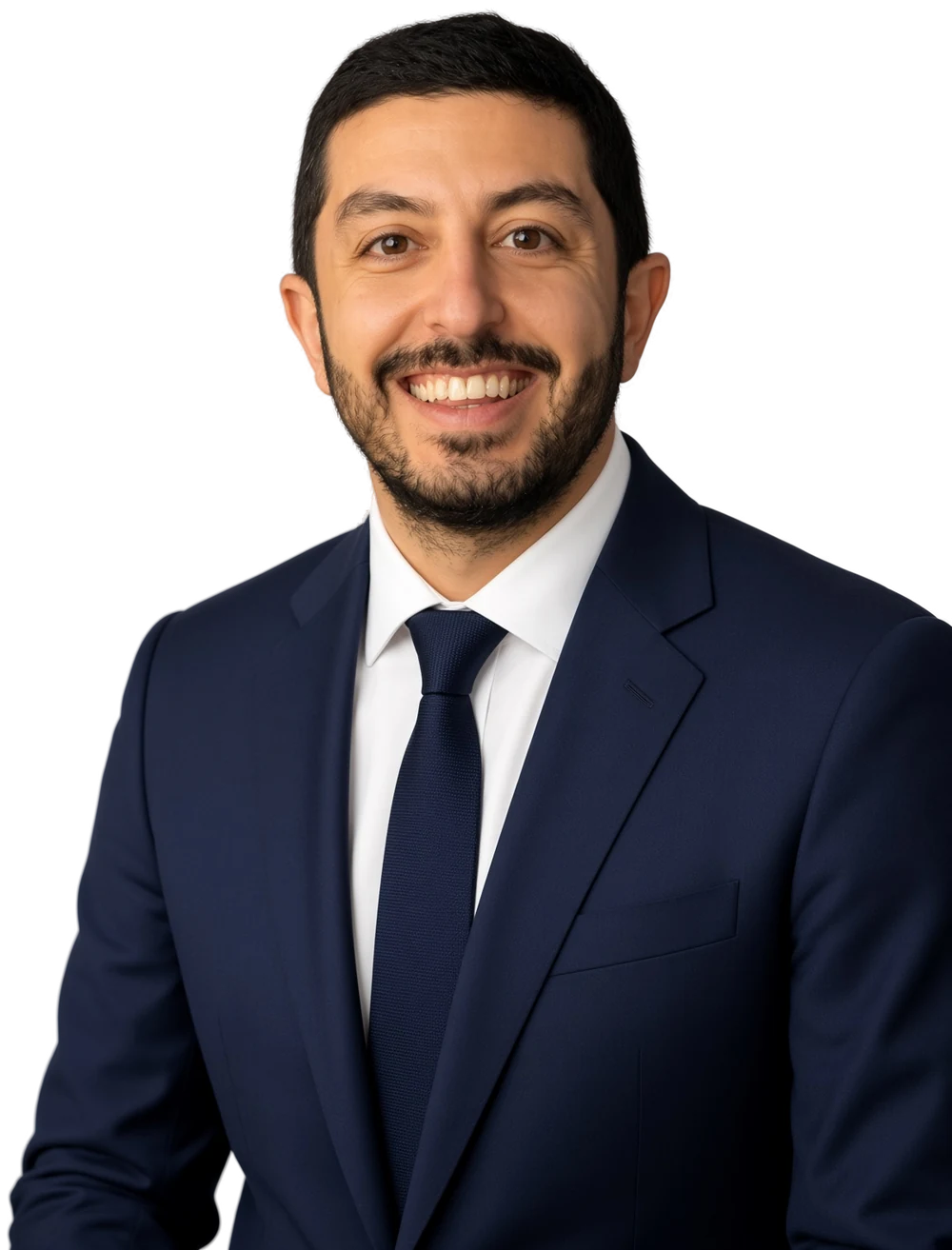
The Rhinoplasty Guide
What I explain to every patient before nose surgery in Istanbul: open rhinoplasty with piezo instruments, when preservation fits your nose, how breathing is corrected, and what your recovery really looks like.
- ISAPS member
- Rhinoplasty Society of Europe
- Turkish Society of Plastic Reconstructive and Aesthetic Surgeons
- Health Tourism Authorization, Turkish Ministry of Health
In this guide
- What rhinoplasty can do, and what it cannot
- Open rhinoplasty and piezo
- Preservation or structural: which fits your nose
- Are you a good candidate?
- The operation
- Your days in Istanbul
- After you fly home
- Risks and honest limits
- How to read before and after photos
- Questions to ask any surgeon
- Cost and how to get a quote
- About Dr. Aydınol and your next step
Before you start
Rhinoplasty is the least forgiving operation I perform. The nose sits in the centre of the face and is judged in millimetres, and a result that needs a second operation is the most expensive nose job there is.
Techniques such as open, closed, piezo and preservation rhinoplasty are real, but most pages use them as marketing rather than explaining them. This guide explains what each one does, which I use, and why.
Read it at your own pace. When you are ready, send me photographs of your nose from the front, the side and below, and I will tell you honestly what I would recommend, and what is realistic for your nose.
What rhinoplasty can do, and what it cannot
Rhinoplasty reshapes the bone and cartilage framework of the nose, and where breathing is impaired, it corrects the inside of the nose in the same operation. The aim is a nose that looks as if you could have been born with it, and that breathes.
I assess every nose in three parts
Bridge
A hump, a crooked or wide bridge. Whether it can be lowered intact or has to be rebuilt decides the technique.
Tip
A drooping, wide or asymmetric tip, refined with sutures and, where needed, cartilage grafts from your own septum.
Inside
A deviated septum that blocks breathing. It is corrected in the same operation, because shape and function are one framework.
What rhinoplasty will not do
- It cannot deliver a nose shaped by heavily filtered photographs or an app. No surgeon can, and I will say so in consultation.
- It cannot make a very thick skin over a weak framework look fine and sharp. I explain what is realistic before anything is booked.
- It is not finished in two weeks. The nose you see when the splint comes off is not the result; the tip refines over a full year.
Sometimes the nose is not the only answer
A weak chin makes a nose look larger in profile. Shaping the chin with an implant or fat can be planned with the rhinoplasty.
Sometimes small lip or cheek adjustments improve the balance of the face more than a bigger change to the nose.
The honest boundary: balancing the face around the nose does not change the nose itself, and it does nothing for breathing. Face and nose aesthetics
Open rhinoplasty and piezo
I perform open rhinoplasty using piezo (ultrasonic) instruments, and preservation techniques where the anatomy allows. Closed rhinoplasty is a legitimate technique with a real advantage: no external incision. I operate open, and the reason is control.
Open approach
A small incision across the columella, the strip between the nostrils, lets me lift the skin and see the whole framework. Every asymmetry is visible, every graft is placed under vision, and the tip is shaped precisely rather than by feel.
Piezo instruments
The instrument vibrates at ultrasonic frequency and cuts bone while leaving soft tissue, cartilage and blood vessels untouched. The bone is shaped precisely, with less trauma: bruising around the eyes is markedly less, and often absent.
Will I have a visible scar?
The open approach leaves a scar of about five millimetres on the underside of the columella. Once matured, it is very difficult to see even when you look for it. For a structure judged in millimetres, I consider that trade worth making, and I am honest that it is a trade.
The bone is sculpted and repositioned along lines I draw, not lines a fracture chooses. Piezo does not replace surgical judgement; it is a better tool in the same hands.
Preservation or structural: which fits your nose
Preservation rhinoplasty
Instead of removing the roof of the nose, the structures beneath it are adjusted, so the bridge is lowered intact and keeps its natural lines. The healing is gentler.
Structural rhinoplasty
For very large humps, severely deviated bridges and thick skin over a weak framework. The framework is reshaped and supported so the result holds.
Both in one nose
I frequently combine preservation and structural techniques in one nose. Which applies to you is an examination finding, not a preference.
Breathing and shape
When a deviated septum impairs breathing, the functional and aesthetic problems are corrected in the same operation.
The tip
The tip is refined with sutures and, where needed, cartilage grafts taken from your own septum. It is the part that keeps refining longest.
Revision rhinoplasty
For patients unhappy with an earlier operation. Most revisions need structural work, take longer, and need the most experience.
Often planned in the same operation
- Chin shaping with an implant or fat
- Eyelid surgery, a lip lift, fat grafting, a brow lift or ear surgery
- Breast surgery or liposuction, in selected cases
- Correction of the septum, when breathing needs it
Rhinoplasty is not done on the same day as a tummy tuck, and usually not with a BBL or a thigh lift. Combinations are planned in advance, as one operation and one recovery.
Are you a good candidate?
The best candidates are in good health, bothered by something specific about their nose, and realistic about what surgery can change. Rhinoplasty disappointment is almost always an expectations problem before it is a technical one.
Most of my rhinoplasty patients fall into three groups
Shape
A dorsal hump or a drooping tip, and the wish for a natural refinement rather than a different face.
Breathing
Breathing impaired by a deviated septum. The functional and the aesthetic problems are corrected in the same operation.
Revision
Patients unhappy with the result of surgery done elsewhere. Most revision cases need structural work.
When I will say no, or not yet
- Your expectations are shaped by heavily filtered photographs. No surgeon can deliver them, and I will say so.
- You bring a nose designed by an app. An AI can slim a nose; it does not decide what happens to your breathing.
- Your skin is very thick and the framework very weak. I explain what is realistic before anything is booked.
- You are under 18. Surgery is then discussed only with a parent or legal guardian.
The operation
Whether a splint is used depends on what was done to the bone. I use one when it protects the result and skip it when it would only be ritual.
Inside the nose
Soft silicone supports inside the nose let you breathe while the inside heals. The era of painful, metre-long packing is over. No drains are used in rhinoplasty.
The skin is closed with fine sutures on the columella and absorbable ones inside. Septal work is done in the same operation.
Your days in Istanbul
Plan five to seven days in Istanbul.
- Day 0
Surgery
Your operation under general anaesthesia, then usually one night in hospital. If you feel well, you can go to your hotel the same day.
- Days 1 to 4
Hotel
Cold compresses for the eyes and cheeks, never ice on the nose. Saline spray several times a day, the splint kept dry, and no nose blowing. Swelling and any bruising peak around days two to three.
- Day 5
Supports and splint off
The internal supports and the splint, if one was used, come off. The nose is checked and taped.
- Days 5 to 7
Final check and flight
Your final check is usually the day before your flight. Most patients fly home between day five and day seven.
After you fly home
- 1 to 2 weeks
Desk work from one to two weeks after surgery. Blow your nose gently from around day ten, never before. Driving from around day fourteen. Most patients look presentable at two weeks.
- 3 to 6 weeks
Glasses resting on the bridge from around week four; contact lenses or taped glasses until then. Light cardio and a bath, pool or the sea from around week four, nothing with a risk of contact. Full exercise from around week six.
- 3 months
Most of the swelling has settled and the nose looks good. Contact sports from around three months.
- Up to a year
The final shape. The tip keeps refining over a full year or more, and nobody but you and I will be studying it that closely in the meantime.
Normal in the early weeks
- Swelling, and bruising around the eyes that peaks at days two to three and fades quickly
- Soft crusts inside the nostrils: saline spray keeps them clear
- Temporary numbness of the tip
- A tip that looks fuller now than it will in a year
Contact my team straight away if you notice
- Bleeding from the nose that does not settle
- Fever above 38°C
- Pain or swelling that increases instead of settling
- A blow or injury to the nose
Risks and honest limits
Published revision rates in rhinoplasty run higher than in any other aesthetic operation. Choosing a surgeon who performs rhinoplasty regularly matters more here than anywhere else. Smoking impairs healing, so I ask you to stop four weeks before surgery.
Bleeding and infection
Rhinoplasty counts as a high bleeding risk operation. That is why I ask you to stop certain medicines and supplements before surgery, and to tell me about everything you take.
Numbness
Temporary numbness of the tip is common after rhinoplasty and settles as the tissues heal.
Breathing changes
Breathing can change after surgery. That is why the septum and the inside of the nose are assessed and corrected with the shape.
Revision
The one that matters most: a result that needs a second operation. Planning and experience reduce the risk, but no surgeon can remove it.
Two honest limits
The nose you see at two weeks is not the result. Swelling settles over months, and the tip refines over a full year.
Your skin sets a limit as much as my technique. Very thick skin over a weak framework will not show fine detail, and I will tell you that before surgery.
How to read before and after photos
A nose photographed from a flattering angle, in soft light, looks refined in any gallery. A fair comparison shows you the same nose from every side.
What to look for
- The same angle, distance and light in both photos, with the head in the same position.
- The profile and the front view: a nose can look straight from one side and crooked from the other.
- The base view from below: the nostrils and the tip tell you more than the bridge.
- Time stamps. At two weeks a nose is still swollen. Ask to see one year.
The nose you see at two weeks is not the result; the tip refines over a full year. I judge my own results at one year, and so should you.
Questions to ask any surgeon
The surgeon matters more than the technique, and the structure around the surgery matters as much as the surgery itself.
- Are you certified in plastic, reconstructive and aesthetic surgery, and how often do you perform rhinoplasty?
- Do you operate open or closed, and why for my nose?
- Is my nose suitable for preservation, or does it need structural work?
- Will you correct my septum and breathing in the same operation?
- Where will grafts come from, if I need them?
- Will I have a splint, and for how long?
- Who checks me in Istanbul after surgery, and who do I contact once I am home?
- What exactly is included in the price?
Red flags
- A price before anyone has seen your nose
- A promise to copy a filtered photo
- Breathing never asked about or examined
- A price dramatically below the market
Cost and how to get a quote
Rhinoplasty in Istanbul costs substantially less than in the United Kingdom, Germany or the wider EU. The difference comes from local operating costs, not from the technique or the materials. Be cautious with packages priced dramatically below the market: a cheap primary that needs a revision is the most expensive nose job there is.
What shapes your quote
- Whether septal work is included
- A first operation or a revision
- The anaesthesia and hospital time involved
- Whether other procedures are combined
How to get your quote
Send your photographs
Your nose from the front, both sides and from below, in good light. That is enough for a first opinion.
Video call
We talk through what bothers you, what your nose allows, and your questions.
Written quote
Your plan and your quote in writing, covering the hospital, anaesthesia and follow-up in Istanbul.
About Dr. Aydınol
I completed my specialist training in plastic, reconstructive and aesthetic surgery at Dicle University (2012 to 2017) and have run my own practice in Istanbul since 2020. My work covers facial rejuvenation, rhinoplasty, breast surgery and body contouring, always with the same rule: the right procedure at the right time, or an honest no.
Patients from Germany, Italy, the United Kingdom, the Middle East and many other countries travel to Istanbul for surgery with me. My team and I plan the whole trip around the operation.
- 10,000+ procedures
- ISAPS member
- Turkish Society of Plastic Reconstructive and Aesthetic Surgeons
- Rhinoplasty Society of Europe
- Health Tourism Authorization, Turkish Ministry of Health
Your next step
Send a few photographs on WhatsApp. Tell me what bothers you most, and I will tell you honestly what I would recommend.
- +90 544 772 07 72
- info@mustafaaydinol.com
- Clinic
- Yeşilçimen Sokak No:12, Polat Tower Residence K:2 D:20, Fulya, Şişli, Istanbul
Keep a copy
Download the PDF to read offline or share it with someone who is coming with you.
Plan your trip
- Recovery plannerWhen you can fly home, work and exercise
- Surgery readiness checkWhat to settle before surgery
- When should I stopWhich medicines to stop, and when
- Combination plannerWhat can be done in one session
This guide is general information and does not replace a personal medical consultation. Your plan, the operation and your recovery depend on your own examination.