


 Dr. Mustafa Aydınol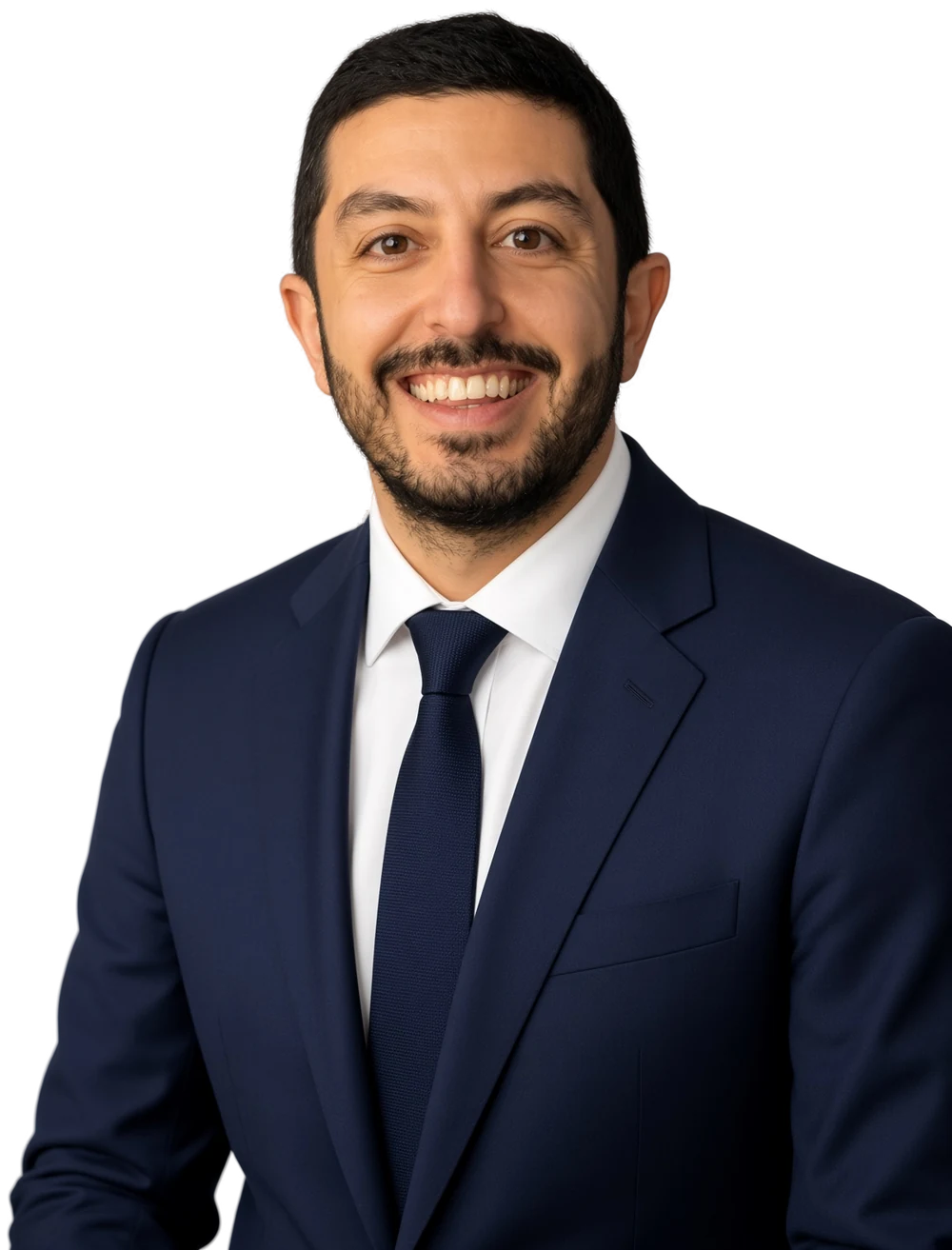
The Eyelid Surgery Guide
What I explain to every patient before blepharoplasty in Istanbul: upper or lower lids, when the brow is the real problem, why fat is repositioned rather than removed, and what your recovery really looks like.
- ISAPS member
- Turkish Society of Plastic Reconstructive and Aesthetic Surgeons
- Health Tourism Authorization, Turkish Ministry of Health
In this guide
- What eyelid surgery can do, and what it cannot
- Lid or brow: the mirror test
- Upper and lower eyelid surgery
- Are you a good candidate?
- The operation
- Your days in Istanbul
- After you fly home
- Risks and honest limits
- How to read before and after photos
- Questions to ask any surgeon
- Cost and how to get a quote
- About Dr. Aydınol and your next step
Before you start
Patients today ask to look rested, not different. Good blepharoplasty is the procedure friends notice without being able to say what changed.
Many patients who ask me about eyelid surgery do not have an eyelid problem. A dropped brow, excess lid skin, fat bags and skin quality can look alike in the mirror, and each needs a different treatment. This guide explains how I tell them apart.
Read it at your own pace. When you are ready, send me a few photographs and I will tell you honestly whether you need surgery at all, and if you do, which kind.
What eyelid surgery can do, and what it cannot
Blepharoplasty removes hooded upper eyelid skin and corrects under-eye bags caused by protruding fat. It changes the tired, heavy or sad resting expression they create, and makes the eyes look more open.
I assess every eye area in three parts
Upper lid
Hooding and excess skin. In advanced cases it rests on the lashes and can even narrow the upper field of vision.
Lower lid
Bags from protruding fat, the hollow beneath them, and how firmly the lid and its outer corner are supported.
Brow
A dropped brow looks like heavy lids. If only lid skin is removed, the brow drops further, so I assess it first.
What eyelid surgery will not do
- It does not treat crow’s feet and dynamic wrinkles.
- It does not treat dark circles caused by pigmentation rather than shadow.
- It does not lift a drooping brow or improve skin quality and texture. Those need a brow lift, laser or regenerative treatments.
Mild changes? Surgery may not be the answer
Where the skin is only mildly lax, Endolift or Fotona SmoothEye can tighten it without surgery.
Exosome therapy, fat grafting and laser treatments improve skin quality. They are honest complements to surgery, not substitutes.
The honest boundary: laser and plasma treatments can tighten mildly lax skin, but they cannot remove hooding or fat bags. Periorbital rejuvenation
Lid or brow: the mirror test
Many patients who ask me about eyelid surgery do not have an eyelid problem. Removing lid skin when the brow has dropped makes the brow drop further, so the first question is always where the heaviness comes from.
Try it yourself
Look in the mirror and gently lift your brow with a finger. If the heaviness disappears, the problem is the brow. If a fold of skin still hangs over the lashes, it is the eyelid.
When it is both
Most patients over fifty have both. A brow or temporal lift with a conservative upper blepharoplasty then gives a more natural, longer-lasting result than an aggressive blepharoplasty alone, and less lid skin needs to be removed.
What to send me
A straight-on photograph with a neutral expression, and one with a finger lifting each brow. That is usually enough for me to tell you whether you need a lid operation, a brow operation or both.
Overly aggressive skin or fat removal produces a hollow or surprised look that is difficult to reverse. The eyes should look like the same eyes, rested.
Upper and lower eyelid surgery
Upper blepharoplasty
A precise ellipse of excess skin is removed through an incision hidden in the eyelid crease. Where needed, a small strip of muscle or a little fat is addressed too.
Fat repositioning
Modern lower lid surgery is more about repositioning than removal. The fat is moved into the hollow below the bag, instead of being removed and leaving a hollow look.
Lower lid, from inside
When there is no excess skin, the whole operation is done through the inside of the eyelid, the transconjunctival approach, and leaves no visible scar.
Lower lid, below the lashes
When the lower lid also has excess skin, the incision is hidden just below the lash line and a conservative strip of skin is removed.
Canthal support
Where the outer corner has dropped or the lid is lax, I support it in the same session. A lower lid operation without that support risks pulling the lid down.
Brow or temporal lift
When the brow is part of the problem, a brow or temporal lift is often done with the upper blepharoplasty, in one session.
Often planned in the same operation
- A facelift or neck lift, because the mid-face and lower lids age together
- A brow or temporal lift
- Rhinoplasty, a lip lift or other face procedures
- Body procedures, when no facelift is planned
A facelift is never combined with body surgery, so eyelids planned with a facelift go into the face session. Combinations are planned in advance, as one operation and one recovery.
Are you a good candidate?
The best candidates are in good general health, bothered by hooding or bags that are structural, and hoping to look rested rather than different.
Most of my eyelid patients fall into three groups
Hooded upper lids
Visible hooding, eyeliner that is hard to apply, heaviness by the end of the day, or raising the brows without noticing to keep the eyes open.
Under-eye bags
Bags from protruding fat. They do not respond to creams, sleep or fillers in any lasting way, because the problem is structural.
Brow and lids together
Most patients over fifty. A brow or temporal lift with a conservative blepharoplasty, often in one session.
When I will say no, or not yet
- Your heavy lids are really a dropped brow. Removing lid skin would make it worse, so the brow is assessed instead.
- Your dark circles are pigmentation, not shadow. Surgery does not change colour.
- You want the exaggerated look of filtered images. No operation delivers it naturally, and I will say so plainly.
- A smaller, non-surgical treatment would serve you better. I will tell you, because the right smaller treatment keeps results natural.
The operation
I perform the consultation and the surgery personally. On the lower lid especially, surgeon experience should weigh more heavily in your decision than price.
Where the scars are
The upper lid scar sits in the natural crease. Once matured, it is essentially invisible when the eyes are open.
A lower lid operated from the inside leaves no external scar; one operated from outside is hidden just below the lash line. No drains are used.
Your days in Istanbul
Plan about a week in Istanbul.
- Day 0
Surgery
Your operation. Upper lids alone are usually a day case; after lower or four-lid surgery you usually stay one night in hospital. Cold compresses begin straight away.
- Days 1 to 4
Hotel
Head elevated, no bending or lifting. Swelling and bruising peak. Cold compresses for the first 48 to 72 hours, drops and ointment exactly as directed, screens only in short spells, and short walks every day.
- Days 5 to 7
Stitches out
Your stitches come out at your final check, at the earliest on day five and preferably on day seven.
- After the check
Fly home
Most patients fly home between day five and day seven. Wear sunglasses outdoors against sun and wind.
After you fly home
- Around 2 weeks
Bruising has largely resolved by days ten to fourteen; after four-lid surgery it can take two to three weeks. Desk work and light eye make-up from around day ten. Contact lenses (glasses until then), driving, and strenuous exercise and heavy lifting from around day fourteen.
- 3 to 4 weeks
Swimming, and a bath, pool or the sea, from around week three to four, once the incisions have fully healed.
- 2 months
Most of the swelling has settled. The scars keep maturing for several more months.
- Around 6 months
The final result. Most of the improvement is visible once the bruising settles at around two weeks, but the final result takes several months.
Normal in the early weeks
- Swelling and bruising that peak in the first days
- Dry or watery eyes for a few days
- Mild blurring for a few days
- Pink scars that fade over the following months
Contact my team straight away if you notice
- Pain or swelling around one eye that increases suddenly
- Any change in your vision
- Fever above 38°C
- Bleeding that does not settle
Risks and honest limits
Temporary effects include swelling, bruising, dry or watery eyes and mild blurring for a few days. Serious complications are rare. Not smoking protects your healing: I ask you to stop four weeks before surgery.
Dry or watery eyes
Common and temporary. Lubricating drops and ointment, used exactly as directed, protect the eye while it settles.
Asymmetry and scarring
Uncommon. The upper scar sits in the crease and, once matured, is essentially invisible when the eyes are open.
Lower lid position
Uncommonly, the lower lid margin can pull down or look rounded. Supporting a lax lid in the same operation is how I reduce this.
Over-correction
Difficulty closing the eyes, or a hollow, surprised look after aggressive removal. Both are reasons I remove conservatively.
Two honest limits
Upper lid results typically last ten to fifteen years, and many patients never repeat the operation. The lower lid fat correction is close to permanent, but the skin keeps ageing.
Eyelid surgery does not treat crow’s feet, pigmentation or skin quality. Those need other treatments, and I will tell you which.
How to read before and after photos
Soft light, raised brows or a smile can make almost any eyelid result look good. A fair comparison shows the eyes at rest.
What to look for
- The same light and a neutral expression in both photos, with the eyes open and looking straight ahead.
- The brows in the same position. Raised brows hide hooding in a before photo.
- The lower lid: a natural curve, not rounded or pulled down, and no hollow where the bag was.
- Time stamps. Photographs taken at two weeks are not the result. Ask to see several months.
Good blepharoplasty is the procedure friends notice without being able to say what changed. If before and after look like two different people, that is not the result I aim for.
Questions to ask any surgeon
The surgeon matters more than the technique, and the structure around the surgery matters as much as the surgery itself.
- Are you certified in plastic, reconstructive and aesthetic surgery, and who exactly performs the surgery?
- Is my problem the eyelid, the brow or both?
- Will you remove or reposition the fat in my lower lids?
- Does my lower lid need support at the outer corner?
- Which anaesthesia will I have, and will I stay in hospital?
- When do the stitches come out, and when can I fly?
- What happens if something needs attention after I fly home?
- What exactly is included in the price?
Red flags
- Lower lid surgery chosen on price alone
- Lid skin removal planned without looking at the brow
- A promise of an exaggerated fox-eye look
- No clear answer on who operates
Cost and how to get a quote
Eyelid surgery in Istanbul costs substantially less than in Western Europe. I give a written quotation after reviewing your photographs, not before, because the plan decides the price.
What shapes your quote
- Upper lids, lower lids or both
- Fat repositioning and support of the outer corner
- Local anaesthesia with sedation, or general anaesthesia
- Combined procedures, such as a brow or temporal lift
How to get your quote
Send your photographs
A straight-on photograph with a neutral expression, and one with a finger lifting each brow.
Video call
We talk through what bothers you, what your eyes need, and your questions.
Written quote
Your plan and your quote in writing, listing exactly what is included.
About Dr. Aydınol
I completed my specialist training in plastic, reconstructive and aesthetic surgery at Dicle University (2012 to 2017) and have run my own practice in Istanbul since 2020. My work covers facial rejuvenation, rhinoplasty, breast surgery and body contouring, always with the same rule: the right procedure at the right time, or an honest no.
Patients from Germany, Italy, the United Kingdom, the Middle East and many other countries travel to Istanbul for surgery with me. My team and I plan the whole trip around the operation.
- 10,000+ procedures
- ISAPS member
- Turkish Society of Plastic Reconstructive and Aesthetic Surgeons
- Rhinoplasty Society of Europe
- Health Tourism Authorization, Turkish Ministry of Health
Your next step
Send a few photographs on WhatsApp. Tell me what bothers you most, and I will tell you honestly what I would recommend.
- +90 544 772 07 72
- info@mustafaaydinol.com
- Clinic
- Yeşilçimen Sokak No:12, Polat Tower Residence K:2 D:20, Fulya, Şişli, Istanbul
Keep a copy
Download the PDF to read offline or share it with someone who is coming with you.
Plan your trip
- Recovery plannerWhen you can fly home, work and exercise
- Surgery readiness checkWhat to settle before surgery
- When should I stopWhich medicines to stop, and when
- Combination plannerWhat can be done in one session
This guide is general information and does not replace a personal medical consultation. Your plan, the operation and your recovery depend on your own examination.