

Most patients who ask about Fotona 4D have the same starting point: they see early changes in the mirror, they are not ready for surgery, and they do not want the frozen or overfilled look that can come from chasing aging with injectables alone. 4D sits exactly in that gap.
What Is Fotona 4D?
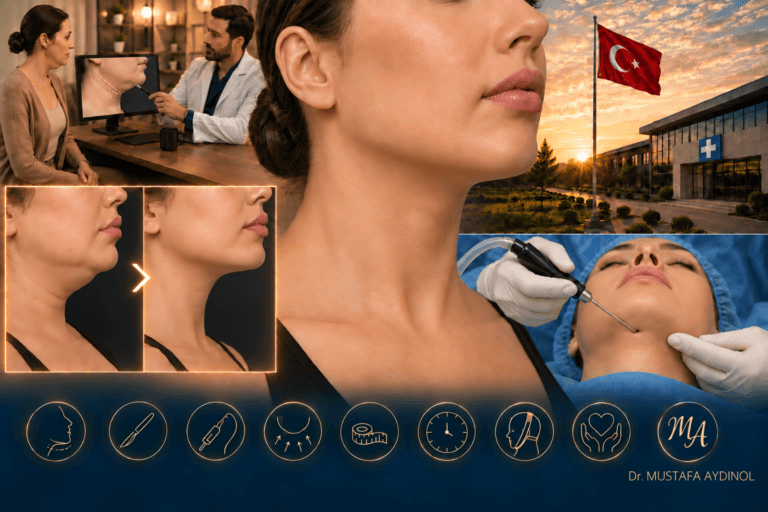
Fotona 4D is a non-surgical facial rejuvenation protocol performed with the Fotona SP Dynamis Pro laser platform. The name refers to four different laser modes applied in one session, each working at a different depth of the face. No injections, no incisions, no general anesthesia.
The Four Modes, Step by Step
1. SmoothLiftin: from inside the mouth
The most distinctive step. The laser is applied intraorally, to the inside of the cheek, where gentle heating tightens the tissue behind the nasolabial folds and the corners of the mouth. Treating this area from the inside means the skin surface is untouched.
2. FRAC3: targeting texture
A fractional mode that reaches small imperfections, fine lines and uneven pigmentation in the deeper skin layers, triggering repair without visibly damaging the surface.
3. PIANO: deep, controlled heating
A brushing pass that delivers heat safely into the deeper tissue, stimulating collagen contraction and tightening. This is the step patients describe as a warm massage.
4. SupErficial: the finishing polish
A very light surface peel that improves skin tone and gives the fresh appearance visible immediately after the session.
Who Is a Good Candidate?
Fotona 4D works best for early, mild changes: skin that has lost some firmness, texture that has become uneven, early softening along the jawline, patients in their thirties to early fifties who want maintenance rather than transformation. It is also a reasonable option for patients who had a facelift years ago and want to maintain the result.
Who Should Consider Surgery Instead?
This is where honesty matters. No laser can lift jowls that have structurally descended, tighten a neck with separated muscles, or remove genuinely loose skin. If the examination shows that the deep supporting layer of the face has let go, energy-based treatments will spend your money on a visible but short-lived improvement. In that case the right answer is a deep plane facelift, and we will tell you so at the assessment. You can read how that decision is made in a real case in our facelift case study.
What Does a Session Feel Like?
A session takes around 45 to 60 minutes. Most patients describe warmth rather than pain; no numbing injections are needed. The face may be slightly red for a few hours. Make-up and daily life can resume the same day, which is why 4D is often called a lunchtime protocol.
How Many Sessions, and When Are Results Visible?
A typical course is 3 to 4 sessions spaced about a month apart. There is a fresh look immediately after each session, but the real change builds gradually over two to three months as new collagen forms, and continues to improve after the course ends. Maintenance sessions once or twice a year protect the result.
Can It Be Combined with Other Treatments?
Yes, and this is often where the best plans come from. 4D can be combined with other Fotona protocols in the same period, or scheduled into the recovery week of a surgical trip, the way we plan laser treatments for our international patients. Which combination makes sense is decided at the examination, not from a menu. You can see all our laser protocols on the Fotona laser treatments page.
Is Fotona 4D safe?
In experienced hands, yes. The protocol is non-ablative and does not break the skin surface. The main safety factors are correct patient selection, correct parameters and realistic expectations, which is exactly why it should be planned by a physician after an examination rather than sold as a package.
If you are wondering whether Fotona 4D is the right tool for your face, or whether your findings need more than laser, send us your photos for an assessment or reach us directly: +90 544 772 07 72 (call or WhatsApp).
This article is for general information and reflects the treatment approach of Dr Mustafa Aydınol’s practice in Istanbul. It does not replace an individual medical consultation.
Your care pathway
Related Posts
 Deep Plane Facelift in Turkey: Endoscopic, Mid-Face & Full
 Endolift Laser: The Complete Guide to Non-Surgical Skin Tightening
 Ten Truths About Facelift: A Surgeon’s Honest Guide to What This Procedure Really Is in 2026
 Loose Skin After Weight Loss: A Plastic Surgeon’s Guide to Surgery After Weight-Loss Medication